
When pests show up in your home or business, you may receive an overwhelming amount of advice and wonder what to trust. Whether online or in person, you may hear many repeated claims that are inaccurate or only work under certain circumstances.
Below we will dispel common pest control myths, so when you have some unwanted guests, you know what to do and when to call a professional for help.
Myth #1: A Clean Home Won’t Be Infested
While cleanliness can make your home less attractive to pests, they will still enter even the cleanest homes.
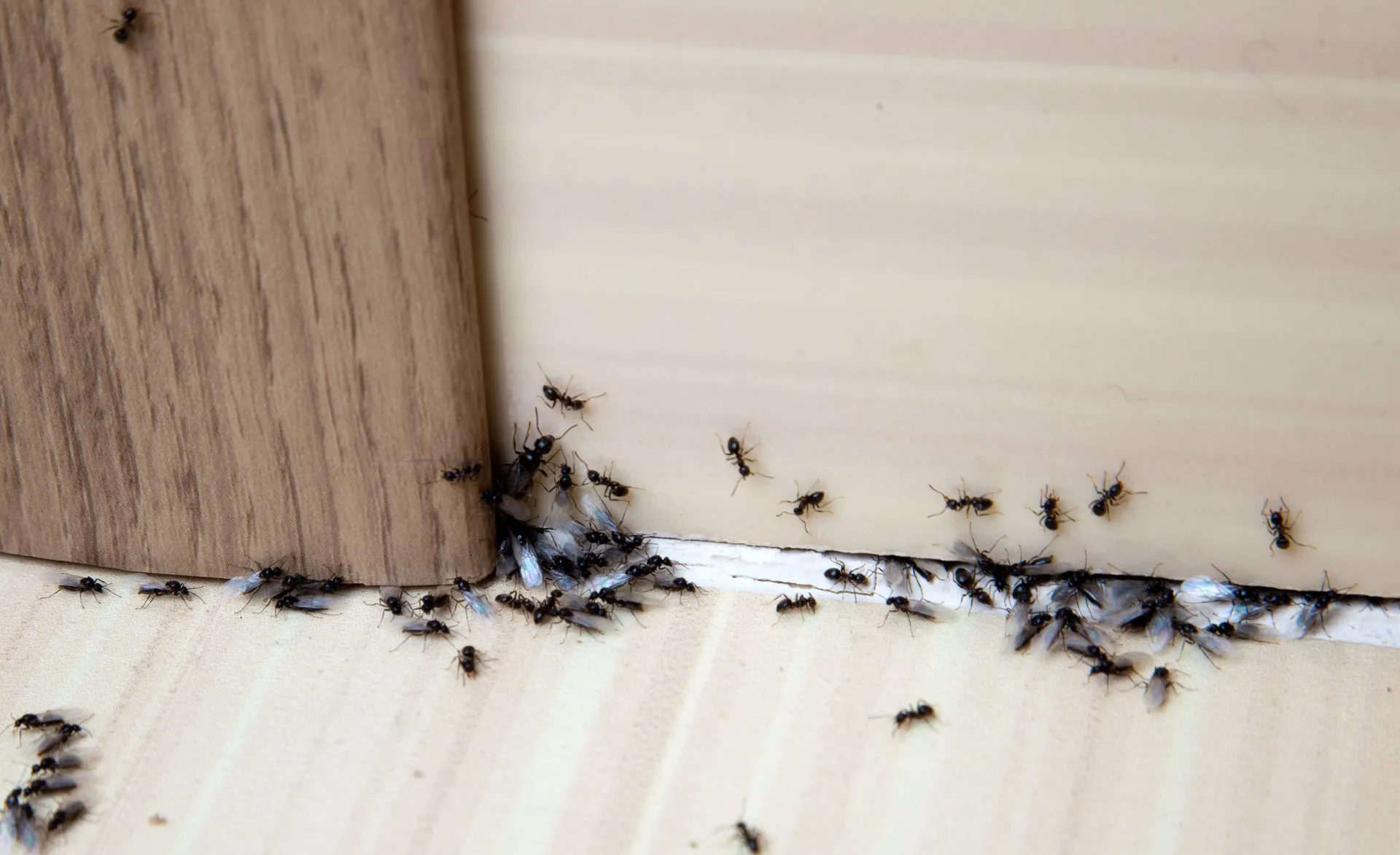
They enter through small cracks, gaps around doors and windows, plumbing openings, vents, and other entry points. Some pests are also attracted to moisture, warmth, shelter, or structural conditions, rather than food alone.
Regular cleaning can play an important role in prevention but doesn’t guarantee that pests won’t get inside.
Myth #2: Seeing One Pest Means There Is an Infestation
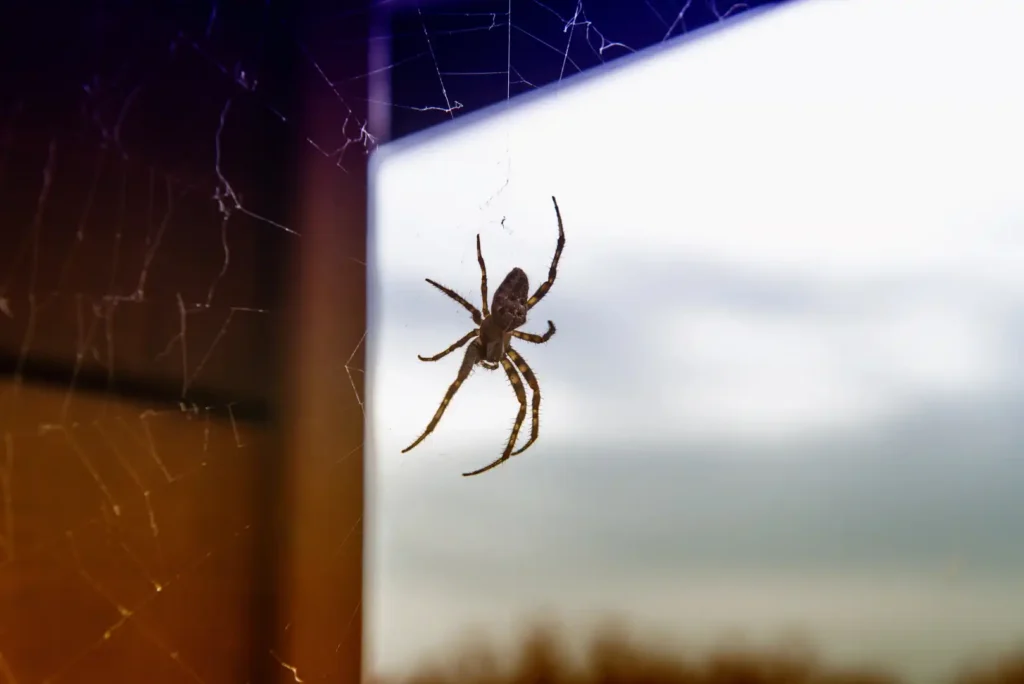
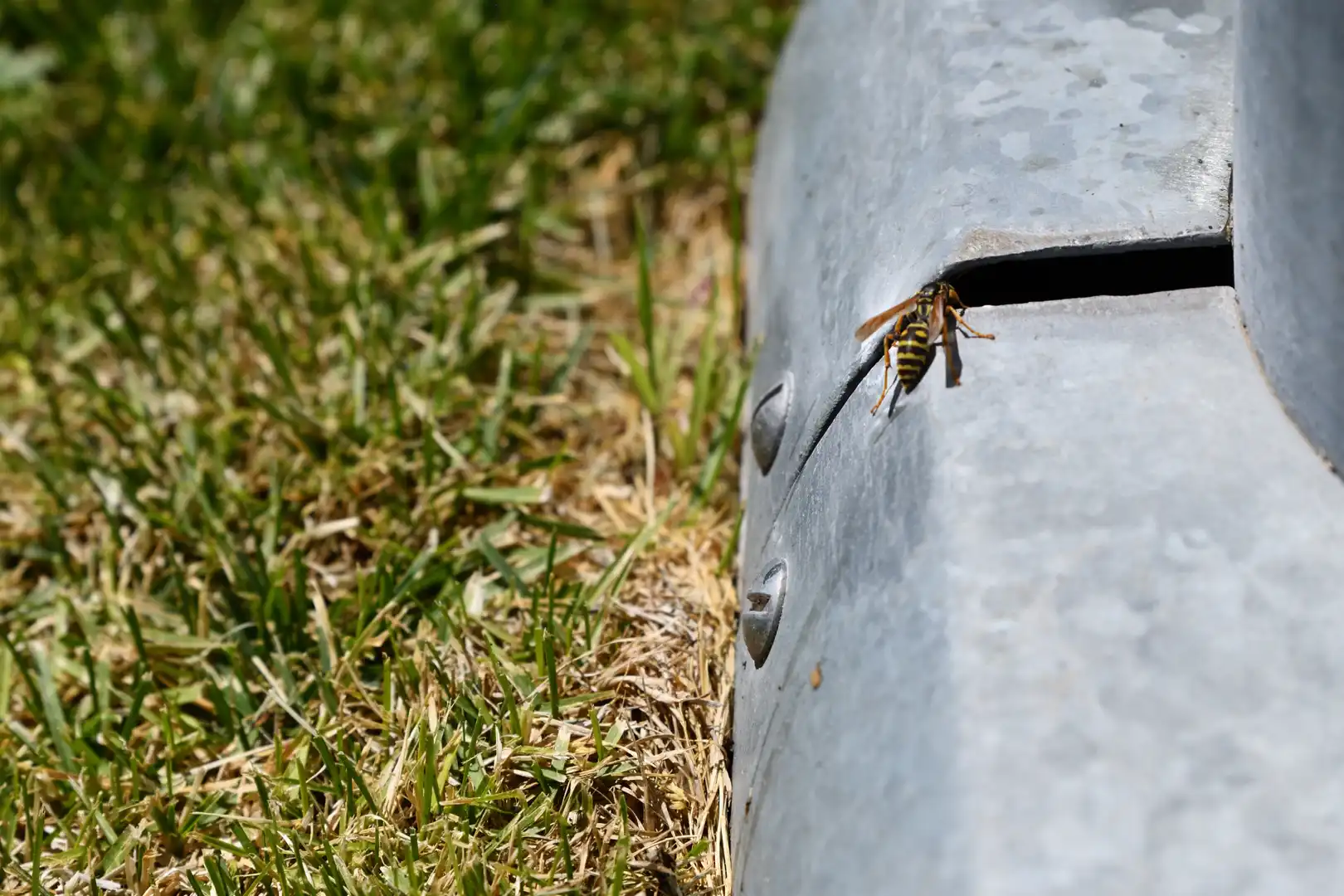
Seeing a single wasp, spider, mouse, or another pest doesn’t mean you have a full-blown infestation. They may have simply found their way inside. If you’re concerned, watch for repeated sightings that can indicate that pests have established a source nearby.
Additionally, pay attention to patterns. If you see pests regularly, find droppings or nesting materials, notice damage, or discover pests in multiple areas of your property, you may want to schedule a professional inspection.
Myth #3: DIY Pest Control Always Saves Money
Store-bought sprays, traps, and baits may address visible pests without eliminating the source of the problem. Additionally, repeatedly purchasing products without resolving the infestation can become expensive over time.
Professional pest control specialists can help identify the pest, locate contributing conditions, and develop a treatment approach appropriate for the situation.
Myth #4: If You Don’t See Pests, They’re Gone
Many insects and rodents are most active at night and spend time in concealed areas. They may hide inside walls, attics, crawl spaces, cabinets, insulation, or other hard-to-reach locations.
Just because you stop seeing pests around your property doesn’t mean your problem has disappeared. Keep an eye out for droppings, gnaw marks, shed skins, odors, or property damage, as this could indicate an ongoing infestation.
Myth #5: Pests Only Become a Problem During Summer
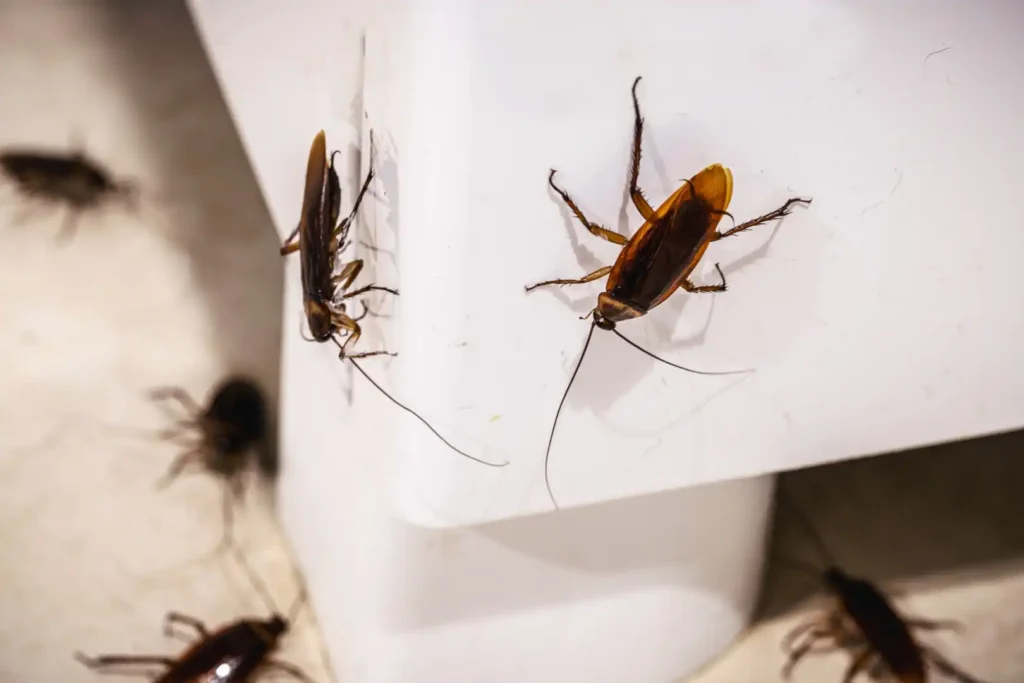
While warm weather often increases insect activity, many pests remain active indoors during colder months. Rodents, cockroaches, spiders, and other pests may seek warmth, food, water, and shelter inside buildings when temperatures drop.
Seasonal pest prevention can help address the different risks associated with changing weather conditions.
Myth #6: Spraying Every Pest You See Is the Best Approach
The most effective pest management involves identifying the pest and understanding why it’s present. Depending on the situation, treatment may involve exclusion, sanitation, moisture control, traps, baits, targeted applications, or other methods.
Using products incorrectly or applying more than the labeled amount can create unnecessary risks. Always follow product directions or consult a pest control professional.
Myth #7: Natural Remedies Always Work
Household remedies and essential oils are often promoted as ways to effectively repel or eliminate pests. While some can initially effect certain pests, they aren’t universally effective and may not address an established infestation.
The right solution depends on the type of pest, the severity of the problem, and where the pests are located.
Myth #8: Once Pests Are Treated, They’ll Never Come Back
Treatment can address an existing pest problem, but properties can remain vulnerable to future activity. New pests can enter through openings, searching for food and water. Changing environmental conditions can also affect new pest activity.
Sealing entry points, reducing moisture, maintaining landscaping, storing food properly, scheduling routine inspections, and taking other preventive measures can help reduce the likelihood of recurring problems.
Myth #9: Pests Are Only a Problem If They Damage Your Property
Rodents and insects can contaminate areas, interfere with daily activities, and create unsanitary conditions. Some pests can also bite, sting, or damage food, fabrics, wood, insulation, or other materials.
Addressing pest activity early can help prevent a small problem from becoming more difficult to manage.
Myth #10: You Should Wait Until You Have a Serious Infestation to Call a Professional
If you’re repeatedly seeing pests or noticing signs of activity, waiting may allow the problem to grow. A professional can help identify the pest and determine the appropriate treatment.
Routine inspections and preventive services may also play an important role in helping properties prone to recurring pest activity.
Don’t Let Pest Control Myths Lead You in the Wrong Direction
Pest problems aren’t always as simple as they appear. Knowing the facts can help you recognize potential pest issues sooner and make informed decisions about prevention and treatment. If you’re dealing with persistent or recurring pest activity, professional pest control can help address the problem and its source.