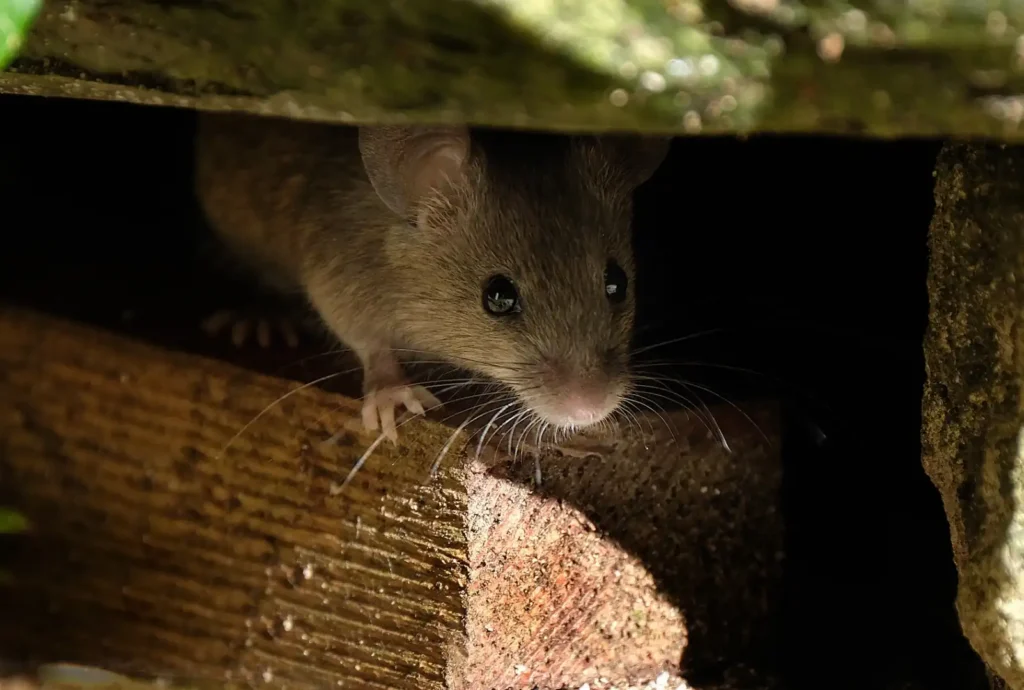
As temperatures begin to cool, many pests start looking for warm, sheltered places to spend the winter. Unfortunately, homes provide everything they need — warmth, moisture, food, and protection from the elements. To reduce the risk of infestations and enjoy a pest-free home throughout the colder months, homeowners should follow this fall pest control checklist.
Seal Entry Points Around Your Home
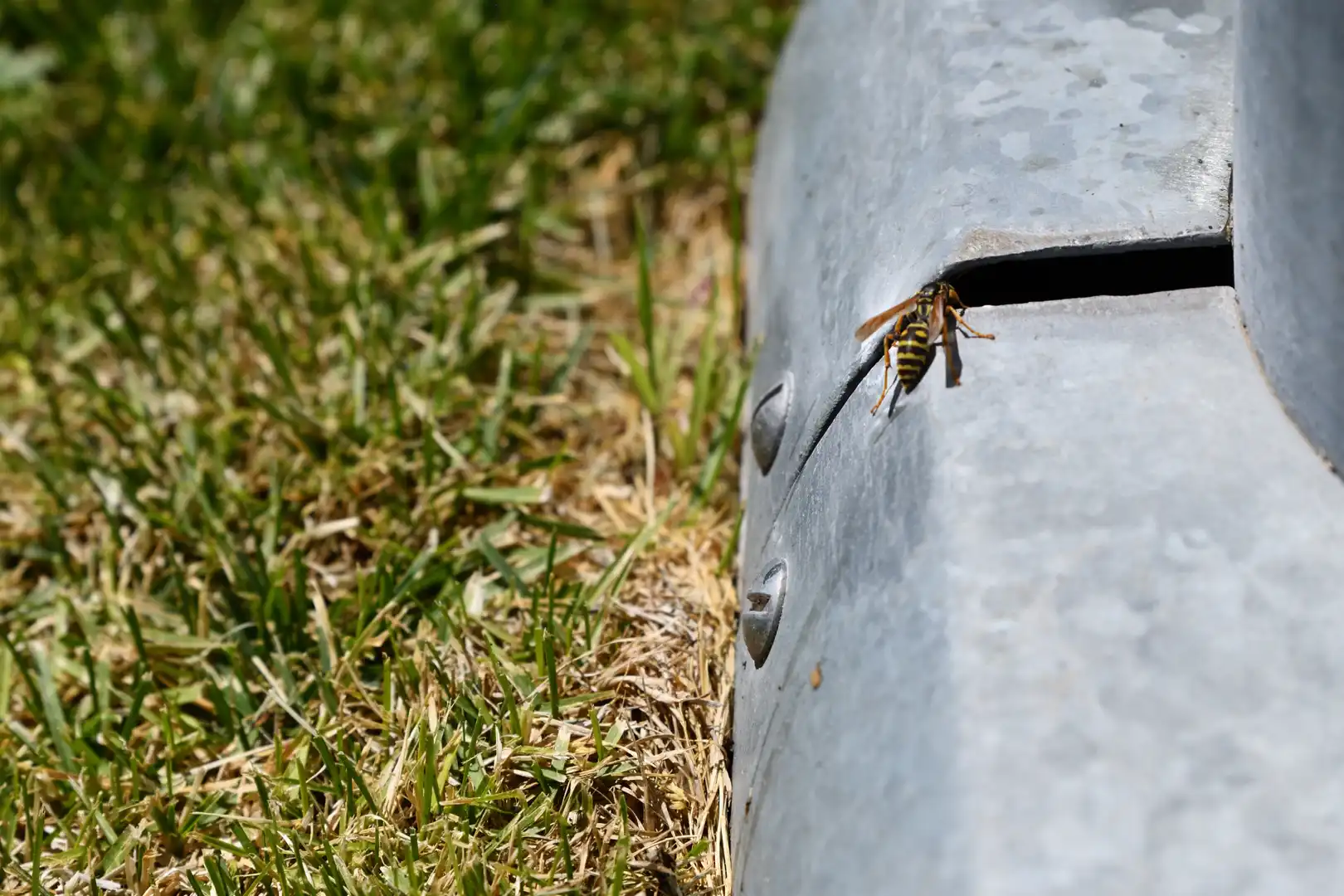
Pests can easily slip through small gaps and cracks. Inspect your home for cracks in the foundation, gaps around windows or doors, openings around utility pipes and cables, and spaces around roof vents and chimneys. Also check for torn window or vent screens or damaged weatherstripping.
Seal cracks with caulk and larger gaps with expanding foam or appropriate building materials. Stuff holes with copper mesh or steel wool before sealing, if you’re worried about mice, as they can chew through normal caulk.
Install door sweeps where necessary to prevent rodents and insects from sneaking underneath exterior doors.
Clean Gutters and Downspouts
Clogged gutters trap moisture and organic debris, creating the ideal habitat for insects. As part of your fall maintenance, remove leaves and debris, repair damaged gutters, eliminate standing water, and ensure downspouts direct water away from your home’s foundation.
Reducing excess moisture discourages mosquitoes, termites, ants, and other moisture-loving pests from settling around your property.
Trim Trees and Shrubs
Overgrown landscaping helps pests easily reach your home. During fall, trim tree branches touching the roof, shrubs lying against the siding, vines climbing the walls, and any dense vegetation crowding your foundation.
Maintaining several feet of clearance around your property eliminates an easy route for rodents, ants, and spiders.
Store Firewood Properly
Firewood piles often provide shelter for rodents, spiders, carpenter ants, earwigs, and termites. To keep these pests away, store firewood at least 20 feet away from your home whenever possible, keep your pile several inches off the ground, and only bring in the amount of wood you’ll be using immediately.
Keep Your Yard Clean
A tidy yard reduces the number of places where pests can hide for the winter. Your fall pest control should include raking fallen leaves, removing brush piles, picking up fallen fruit, disposing of yard debris, and keeping grass mowed until growth stops.
Protect Food Sources
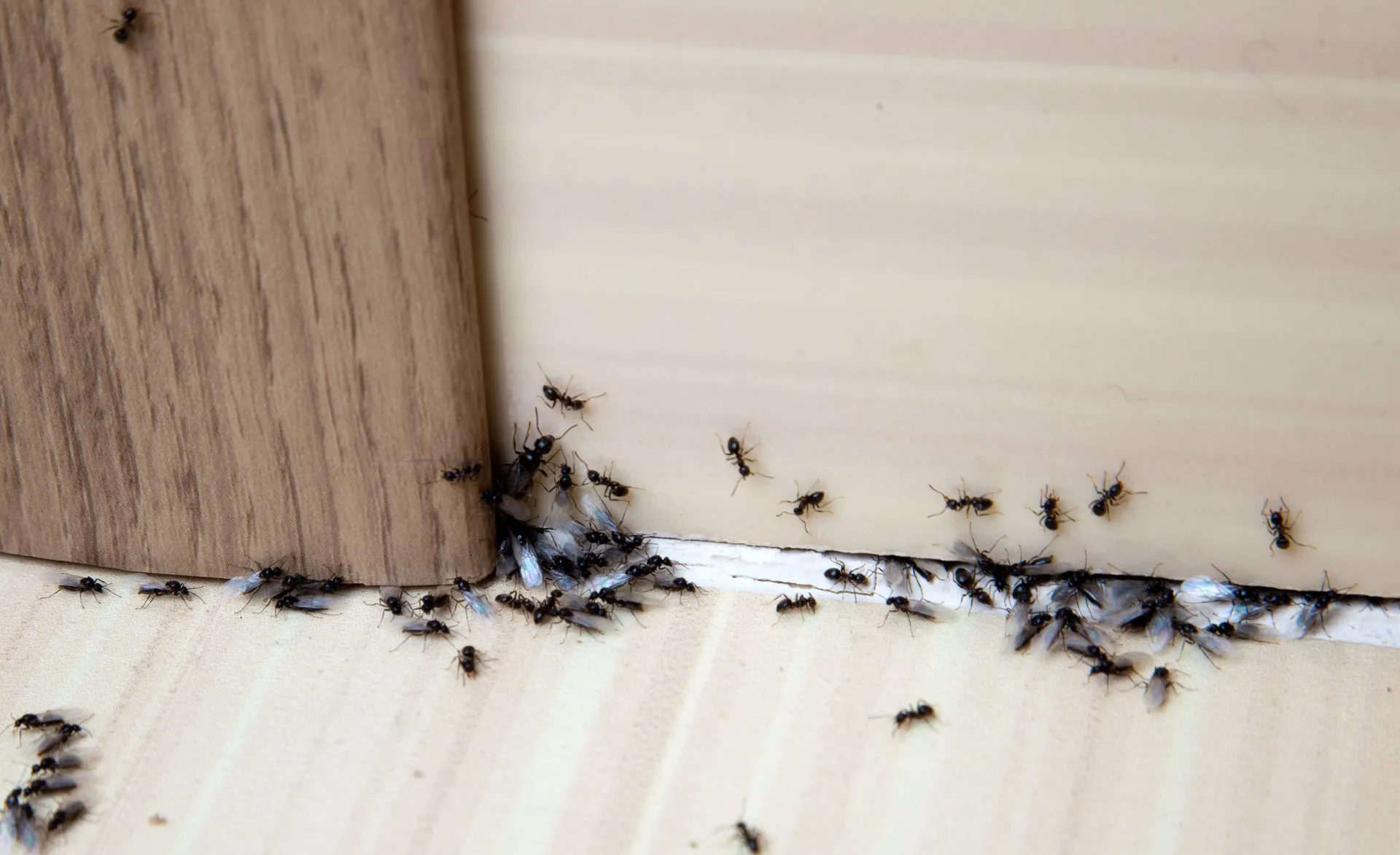
Pests are constantly searching for easy meals. Always store pantry items in airtight containers, clean crumbs from floors and countertops, empty indoor trash regularly, keep pet food sealed and out of the garage, and avoid leaving out dirty dishes overnight.
Eliminating easy access to food sources makes your home less attractive to unwanted visitors.
Inspect Your Attic and Crawl Space
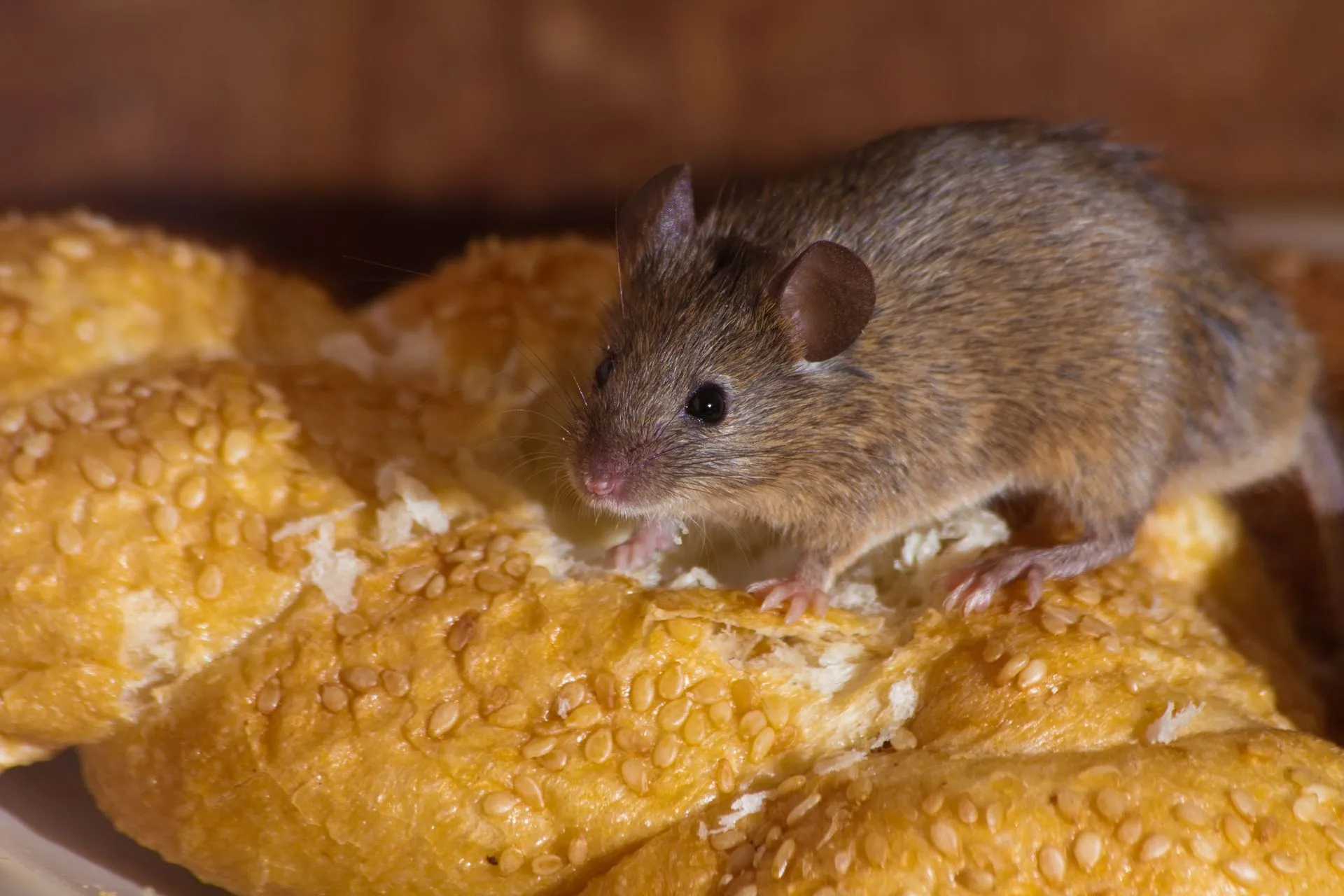
Rodents often enter homes through upper rooflines and crawl space openings. Look for droppings, gnaw marks, nesting materials, damaged insulation, chewed wiring, or light shining through gaps. This will keep your home free from infestations during the winter.
Eliminate Moisture Problems
Many pests thrive in damp environments. Look for leaking faucets or pipes, poor drainage, condensation around HVAC systems, damp areas of your basement, and any standing water. Repair leaks promptly and use dehumidifiers in moisture-prone areas when needed.
Check Your Garage
Garages are often the first indoor stop for fall pests. Keep this space free from insects and critters by storing cardboard boxes on shelves, keeping clutter off the floor, sweeping up debris regularly, and sealing garage door gaps.
Schedule Professional Pest Control
Even clean and well-maintained homes can experience seasonal pest problems. A professional pest inspection can help you locate vulnerabilities before you have a serious infestation.
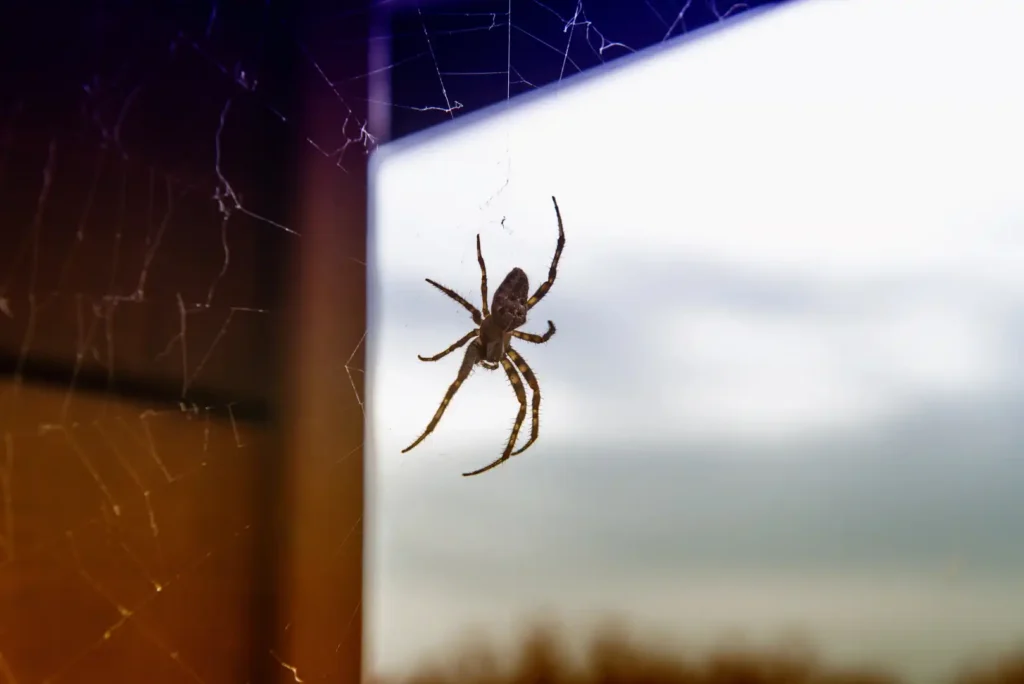
Preventive fall treatments can target common seasonal pests, such as spiders, ants, stink bugs, rodents, wasps, or cockroaches.
Professional pest control companies also recommend long-term prevention strategies tailored to your property.
Why is Fall Pest Control Important?
Many common household pests become more active during the fall as they prepare for winter. Rodents, spiders, cockroaches, stink bugs, boxelder bugs, and ants often migrate indoors once outdoor temperatures begin to drop, outdoor plants and seeds die off, and snow begins to fall.
Taking preventive action before pests move inside is far easier and often less expensive than dealing with a full infestation in the winter.
Invest in Fall Pest Control to Keep Your Home Safe This Winter
Fall pest control plays an important role in keeping your home free from insects and critters during the winter. By reducing moisture, maintaining your landscaping, and eliminating food and shelter sources, you can prevent costly infestations and make your home more comfortable during the colder months of the year.
If you’ve already noticed signs of pest activity or want more peace of mind, schedule a professional pest inspection with Gem State Pest Control.