Household pests are more than an inconvenience. They can damage property, contaminate food, and create unsanitary conditions as well as pose health risks to people and pets. From rodents and cockroaches to ants and spiders, unwanted pests can introduce bacteria, trigger allergies, and cause uncomfortable bites or skin irritation.
Below, we’ll discuss the health risks associated with common household pests and what steps you can take to maintain a cleaner, healthier living environment.
Rodents: Mice and Rats
Mice and rats can introduce several health risks into a home. As they move through kitchens, pantries, basements, and wall cavities, they can leave behind urine, droppings, and saliva that can contaminate food and surfaces.
Rodents can carry pathogens that cause illnesses, such as samonellosis, hantavirus, and typhus. In some circumstances, exposure to contaminated rodent waste can also transmit serious diseases. When dried droppings and urine become airborne when disturbed, they can create additional exposure risk during cleanup.
Rodent dander, urine, and saliva can also trigger allergy and asthma symptoms in sensitive individuals. Their gnawing can damage insulation and electrical wiring, creating potential fire hazards.
To reduce these risks, store food in sealed containers, keep garbage secured, seal gaps around pipes and foundations, and address signs of rodent activity promptly. Avoid sweeping or vacuuming dry droppings, as this can spread contaminated particles into the air.
Cockroaches: Allergies and Asthma Triggers
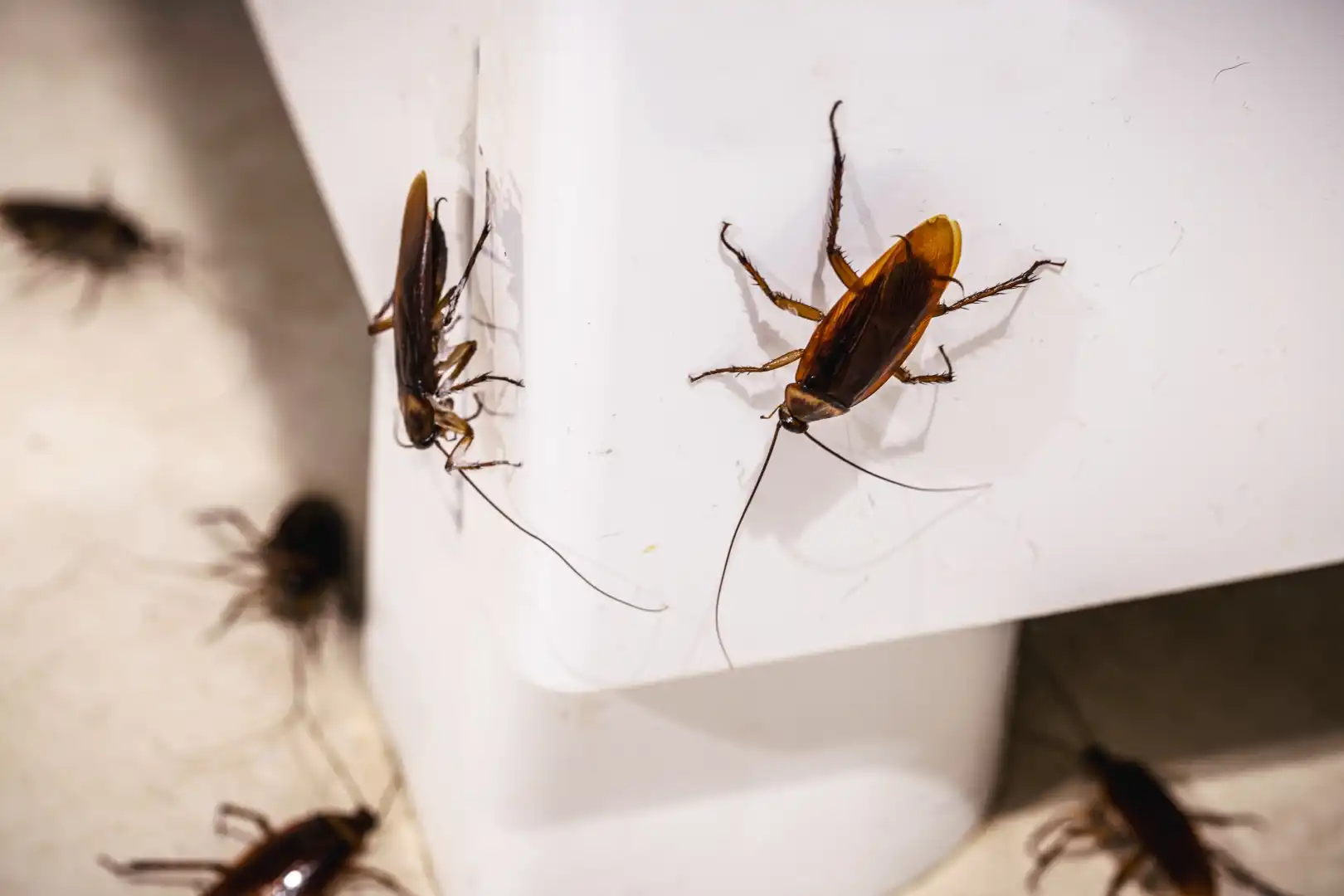
Homeowners commonly find cockroaches in kitchens, bathrooms, basements, and other areas where moisture and food are available. Although they don’t act aggressively toward people, they can negatively impact indoor health.
Cockraoch droppings, saliva, shed skins, and body fragments contain allergens that may trigger allergic reactions and worsen asthma symptoms, especially for individuals and children with existing respiratory conditions.
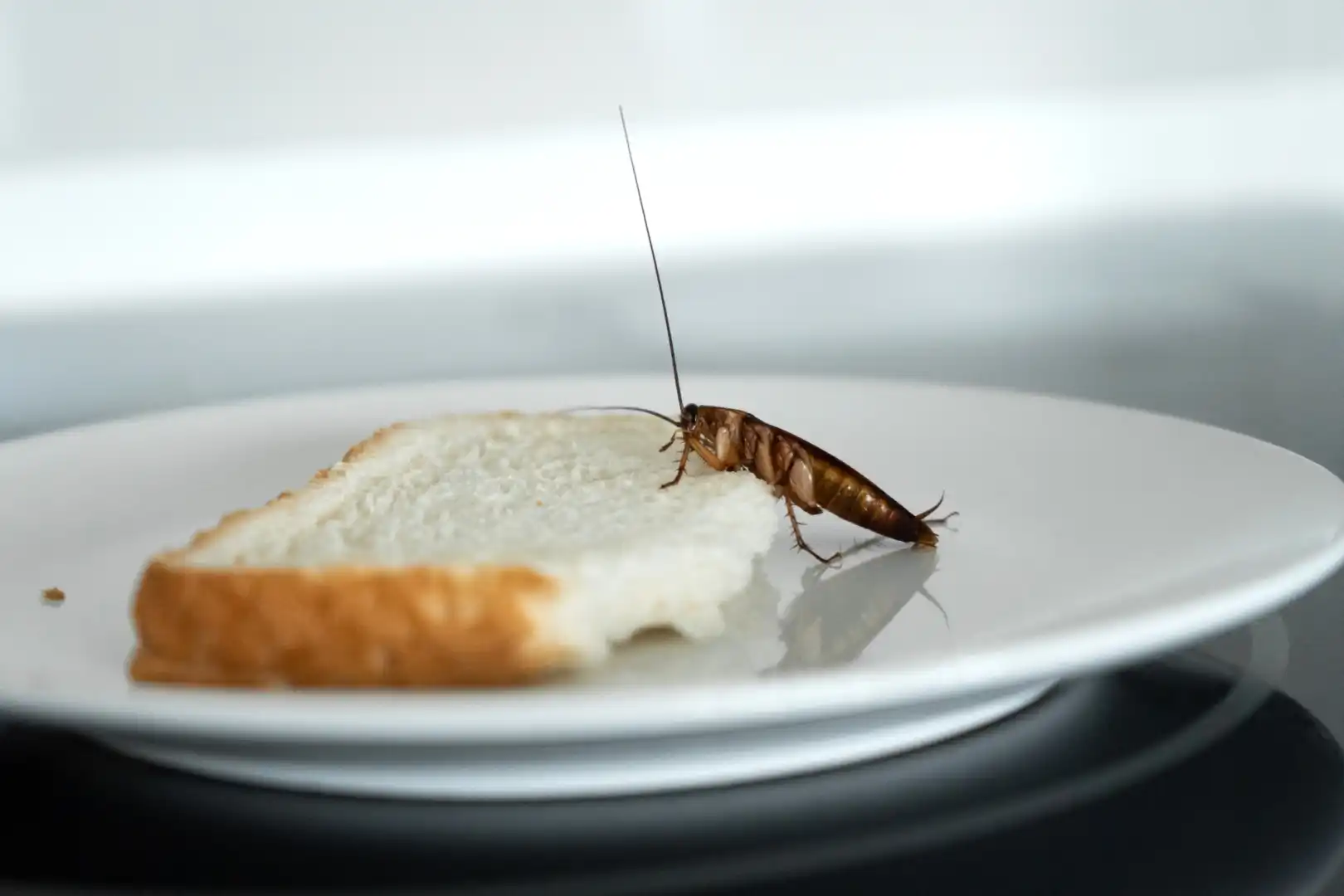
These pests can also carry microorganisms on their bodies, and as they travel across food preparation surfaces, they can contaminate food and cause unsanitary conditions.
To prevent cockroach infestations, regularly clean surfaces, store food properly, control moisture, and seal entry points.
Ants: Food Contamination and Bites
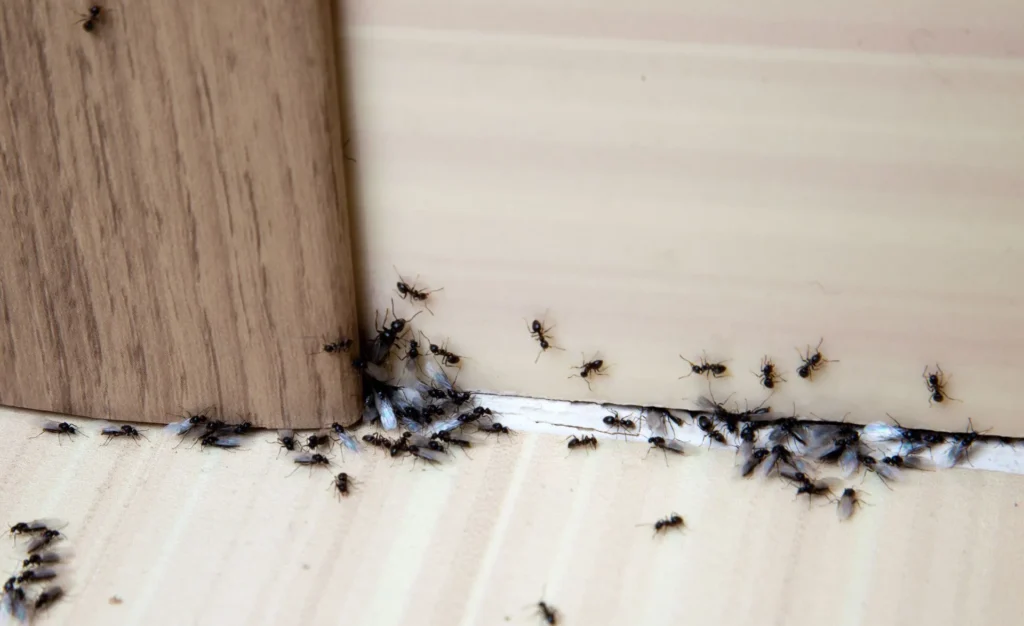
Many ants typically only cause a nuisance. However, they may create health risks when they enter a home. They often travel through garbage, soil, drains, and other contaminated areas before crossing kitchen counters, pantry shelves, and exposed food.
This can transfer microorganisms to food preparation surfaces and stored food. Certain species, such as fire ants, can also bite or sting. Their stings may cause pain, swelling, itching, or allergic reactions.
Homeowners can discourage ants by cleaning up crumbs and spills, storing food securely, emptying garbage regularly, sealing gaps and cracks, and repairing leaks.
Spiders: Bites and Skin Reactions
While most spiders found in homes pose no threat to humans, some species can deliver medically significant bites, such as black widows and brown recluses.
Black widow bites can cause severe pain, muscle cramps, and other systemic symptoms, and brown recluse bites can cause localized tissue damage.
Avoid unwanted encounters with spiders by reducing clutter, wearing gloves when moving stored items, and inspecting shoes, boxes, and seldom-used storage areas.
Fleas and Ticks: Bites and Disease Transmission
Fleas and ticks can enter homes on pets or clothing. They feed on blood and can cause itching, skin irritation, discomfort, and allergic reactions in people and pets.
Ticks are a greater concern because certain species can transmit diseases, including Lyme disease and Rocky Mountain spotted fever, depending on the tick species and geographic region.
Homeowners can reduce risk by using veterinarian-recommended flea and tick prevention for pets, checking animals after outdoor activities, maintaining their yard, and washing pet bedding regularly.
When Should You Call a Pest Control Professional?
Seeing an occasional pest doesn’t mean your home has a serious infestation. However, repeated sightings, increased pest activity, unexplained droppings, damaged food packing, or nesting can be signs of a larger problem.
Professional pest control technicians can identify the pest, locate potential entry points, assess the extent of the infestation, and recommend an effective treatment plan.
Addressing an infestation early can help limit pest activity, reduce potential exposure to allergens and pathogens, and prevent damage to your property.
Protect Your Home Pest Health Risks
Common household pests can affect more than just your comfort. Rodents can contaminate food and surfaces, cockroaches can worsen all allergies and asthma, and certain ticks and spiders can pose more serious health risks.
If pests continue to appear or an infestation becomes difficult to manage, Gem State Pest Control can help you take the next steps toward a clean, safer home.