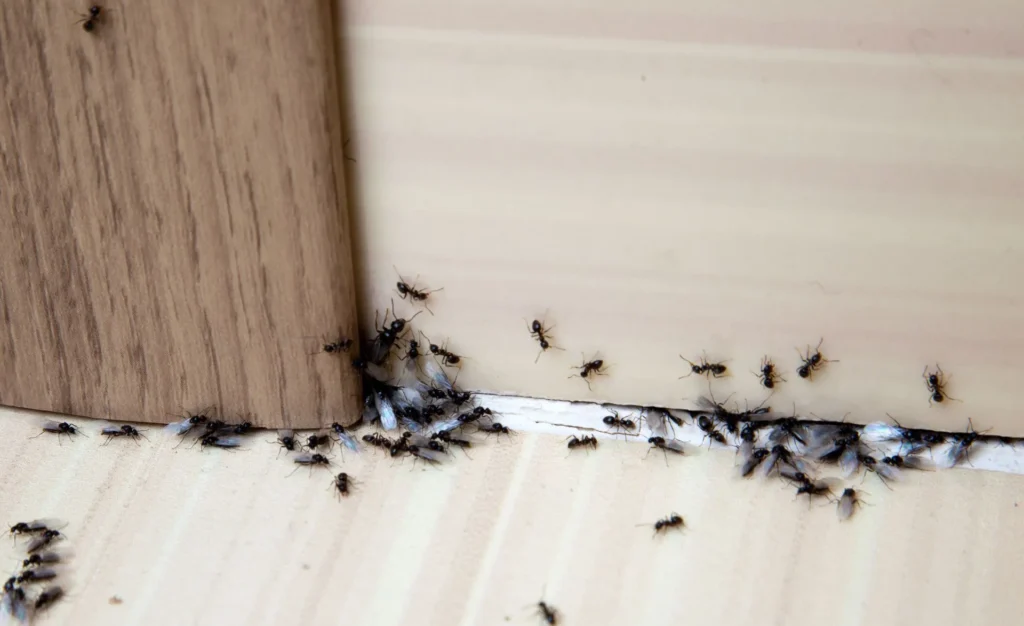
Pests need three basic necessities: food, water, and shelter. If your home provides easy access to these essentials, insects and rodents won’t hesitate to move in. Fortunately, pest prevention often starts with a few simple habits and home maintenance tasks.
Whether you want to keep ants out of your kitchen, rodents away from your attic, and spiders out of your basement, these ten tips can make your home less inviting to unwanted pests this summer.
1. Store Food Properly
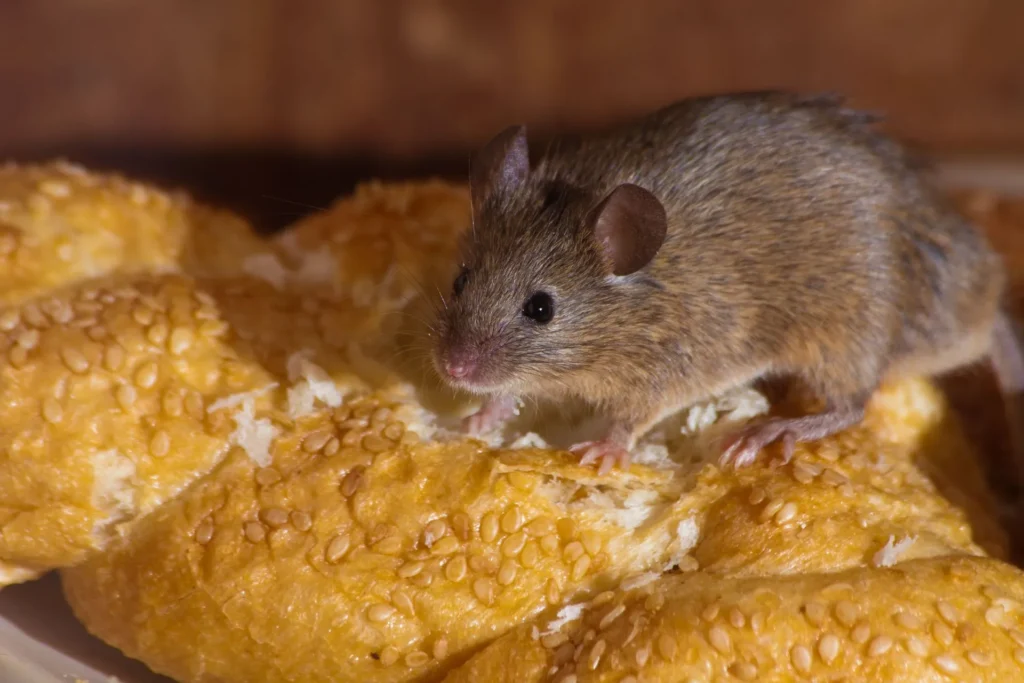
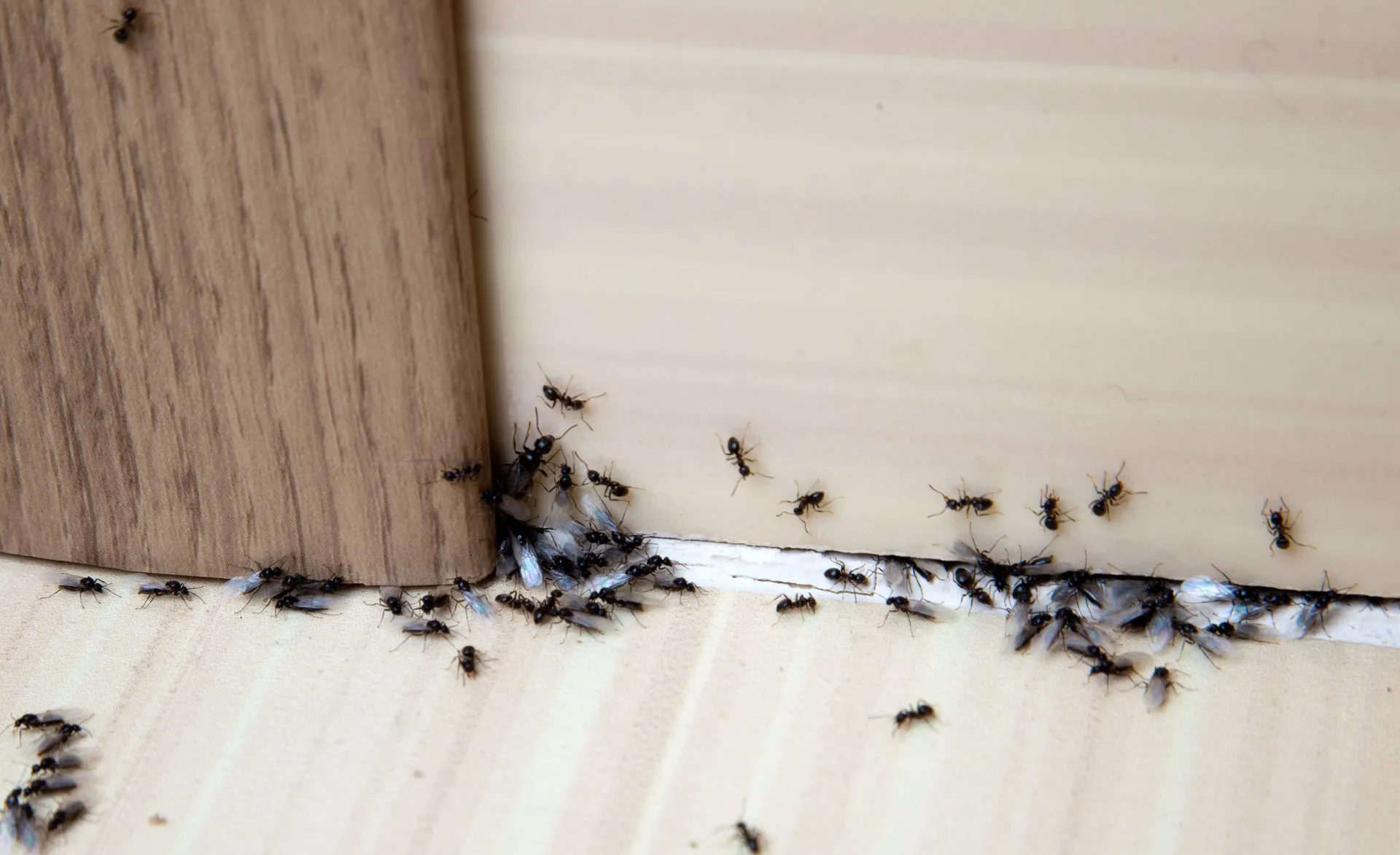
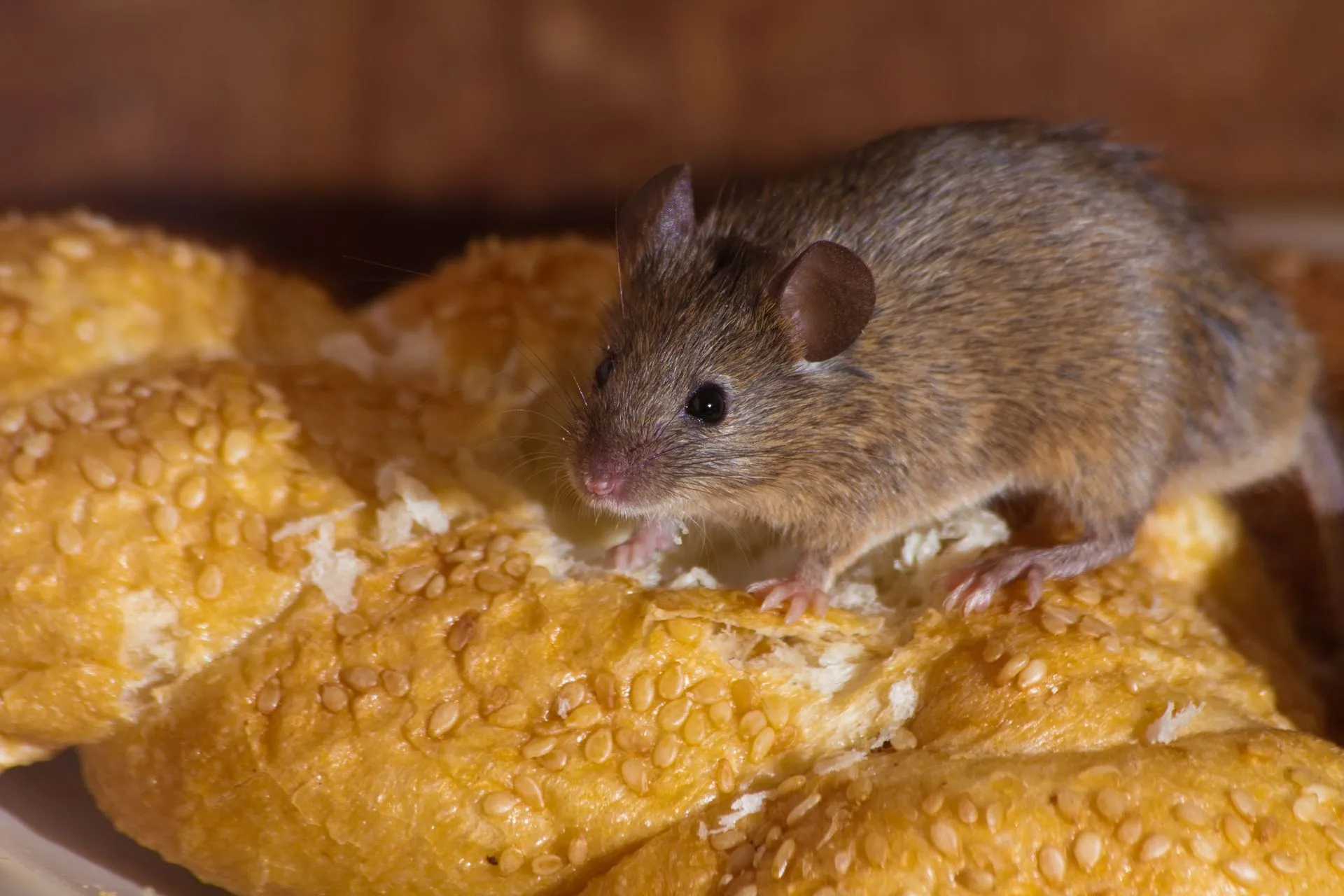
Even small crumbs can attract a variety of pests. Ants, cockroaches, mice, and pantry pests are drawn the most to easily accessible food sources.
To reduce this risk, store dry foods in airtight containers, wipe down counters after preparing meals, sweep and vacuum regularly, clean under appliances (crumbs often collect underneath), and avoid leaving pet food out overnight.
The less food pests can find, the less likely they are to hang around your home.
2. Eliminate Standing Water
Many pests need moisture to survive. Mosquitoes breed in standing water, while cockroaches, termites, and rodents seek out damp environments.
Check inside your home regularly for leaky faucets and dripping pipes, and inspect outside for clogged gutters, standing water in flowerpots, neglected birdbaths, and poor drainage around your home’s foundation.
Fixing moisture issues removes one of the biggest attractions for pests.
3. Seal Entry Points
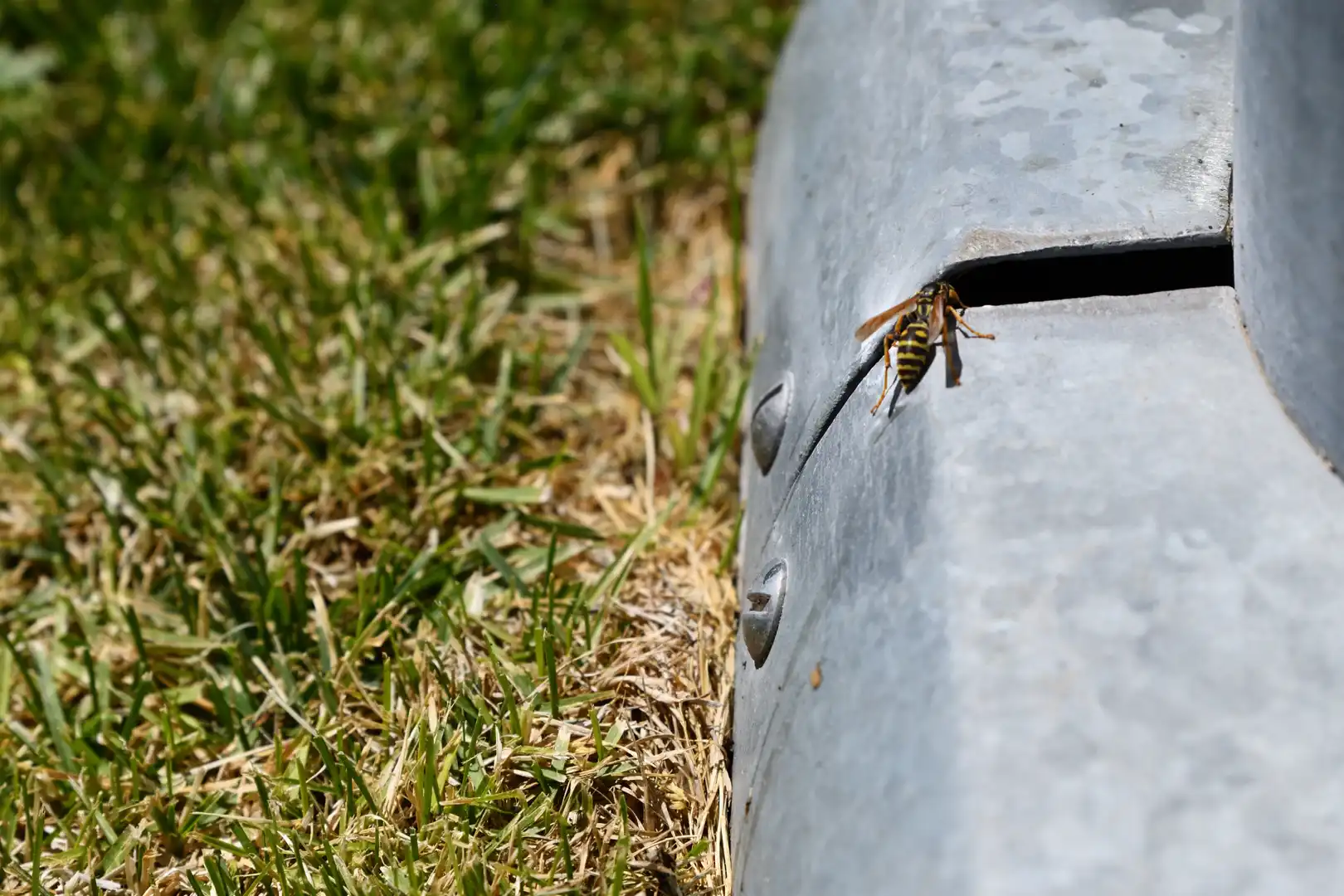
Most insects and rodents only need a tiny opening to enter your home. Inspect your property for gaps around windows and doors, cracks in the foundation, openings near utility lines, damaged weather stripping, or torn window screens. Ensure your garage door bottom seal is also in good condition.
Use caulk, weather stripping, expanding foam, or steel wool (for rodent entry points) to seal potential access points.
4. Keep Landscaping Trimmed
Overgrown vegetation provides shelter and easy access to your home. Maintain your yard by trimming bushes away from exterior walls, cutting tree branches that touch the roof, regularly mowing grass, and removing piles of leaves and brush.
A well-maintained yard reduces hiding places for insects and rodents.
5. Dispose of Garbage Properly
Trash provides both food and shelter for many pests. To help prevent infestations, use trash cans with tight-fitting lids, take garbage out regularly, clean garbage cans periodically, and keep outdoor bins away from doors.
You can further keep pests away by cleaning out and rinsing recyclable containers before placing them in the recycling bin.
6. Reduce Indoor Clutter
Cardboard boxes, stacks of paper, and cluttered storage areas provide ideal hiding places for spiders, silverfish, rodents, and cockroaches.
Prevent infestations by organizing storage areas, using plastic bins with lids, regularly cleaning your garage, basement, and attic, and getting rid of unnecessary cardboard boxes.
Less clutter means fewer places for pests to hide and breed.
7. Maintain Your Home’s Exterior
Small maintenance issues can also become pest problems. Regularly inspect your siding, chimney, crawl space vents, foundation, roof shingles, and door sweeps, and perform prompt repairs to keep pests from finding easy entry points.
8. Clean Up After Pets
Pet food, water bowls, and waste can attract insects and rodents. Pick up stray pet food after meals, regularly wash food and water bowls, frequently clean litter boxes, and promptly remove pet waste from your yard
Keeping pet areas clean benefits both your pets and your pest prevention efforts.
9. Store Firewood and Outdoor Materials Correctly
Wood piles often attract termites, carpenter ants, spiders, rodents, and other pests. Store firewood off the ground, lumber away from your home’s foundation, mulch at least several inches away from your home’s siding, and building materials in dry, organized areas.
Proper storage makes it harder for pests to move from outdoor hiding places into your home.
10. Schedule Regular Professional Pest Inspections
Even clean, organized homes can develop pest problems. Some insects and rodents can remain hidden for months before homeowners notice signs of an infestation.
Professional inspectors can identify pest activity early, find hidden entry points, recommend preventive treatments, and protect your home year-round.
Routine pest prevention is often less expensive than dealing with extensive damage caused by cockroaches, rodents, or other destructive pests.
Prevention Is the Best Pest Control
Pest prevention often only requires small changes in cleaning habits, home maintenance, and landscaping. By removing food sources, eliminating moisture, sealing entry points, and scheduling inspections, you can significantly reduce the chances of an infestation and keep your home clean, healthy, and comfortable all summer long.